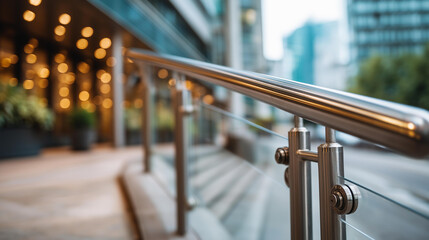
Handrails are essential safety features for staircases, walkways, and balconies. They can also enhance the design of a space. Wood reads warm and classic, fitting well in traditional or rustic designs. However, it requires regular upkeep.
Architecture Stairway Metal Railing includes wrought iron and aluminum, fit modern designs with strength and durability.
Durability
When it comes to choosing a railing material, there are more factors to consider than just aesthetics. The type of railing you select can impact your home’s safety, maintenance requirements, and cost. The right railing blends seamlessly with your home’s architecture, meets building codes, and adds value that lasts for years to come.
Wood railings offer a warm, natural look that complements rustic or traditional design themes, but they also require periodic care to protect against splinters and moisture damage. Metal, on the other hand, is a sleek option that delivers long-term durability and low upkeep. Stainless steel is a popular choice for indoor railings because it resists corrosion and doesn’t warp or degrade over time. Its versatility makes it a good choice for projects that incorporate diverse design styles, including modern, contemporary, or transitional.
Glass railings, on the other hand, create a light-filled look that maximizes sightlines. They are a great option for spaces with stunning scenery, as they allow natural light to flow throughout the room and showcase architectural details without obscuring them. However, glass railings can be fragile and must be installed by a professional. They are also more susceptible to fingerprints and smudges, so regular cleaning is necessary.
Stainless steel and aluminum railings are a durable, stylish option that can be used both indoors and outdoors. They are also easy to maintain, with a simple wipe-down and occasional coating of rust-preventive wax. Additionally, metal is not impacted by humidity changes like wood, so it holds up better in harsh environments. These benefits make metal a strong contender in high-traffic areas, such as busy commercial spaces. Its versatility allows you to customize it to fit your space, whether with minimalist black powder-coating or ornate wrought iron with curves and flourishes. Regardless of your design preference, there is a metal handrail that suits your project and fits your budget. Whether you want a simple, clean design or something more elegant, you can find the perfect match for your project in our gallery of interior stair railing ideas. Choose from modern twist shapes, sawn balusters, or custom designs that can be easily installed by a professional.
Maintenance
When choosing a railing system, it’s important to consider both its longevity and upkeep needs. Some materials require more maintenance and care than others, with a particular focus on weather protection and surface upkeep. A metal handrail system is a modern choice that offers superior durability and requires minimal upkeep, saving you time and money in the long run.
Metal handrails are sleek and versatile, with a wide variety of styles and designs to complement your aesthetic. From minimalist black powder-coated aluminum to ornate wrought iron with curves and flourishes, metal can be customized to suit your design vision. They are also extremely durable, resisting rust and corrosion in extreme weather. And despite their sleek profile, they are often heavier than wood or glass, making them more stable and secure.
Wood has a warm and natural look that feels at home in traditional spaces, but requires regular refinishing to maintain its beauty. It is also susceptible to moisture damage and termite infestation, and can fade over time. Glass delivers a bright, open feel and floods interiors with light, but it shows dirt quickly and requires constant cleaning to remove fingerprints, smudges, and dust.
The ideal material for your stair railing depends on your style and lifestyle, as well as building code requirements and your budget. A railing professional can flag code and maintenance concerns and help you weigh your options. If you can’t decide, mixing materials is a great solution — wood handrails on a metal frame or glass panels on a simple steel base give you the best of both worlds.
Safety
The railings you choose for your staircase impact more than just the way your home looks. The material you select also affects your safety, the level of maintenance required, and how long it will last. The right choice blends seamlessly with your home’s architecture, meets building codes, and adds value that will stand the test of time.
Stair railings are primarily designed to prevent people from falling off the edge of stairs and landings. They act as a barrier, especially on open staircases, and must be able to support the weight of a person holding on to it for balance. They can include a handrail but aren’t always required.
Wood stair railings offer warmth and classic character, and work well in traditional or craftsman-style homes. They can be stained or painted for additional customization options, but they require periodic refinishing.
Metal stair railings are sleek and durable, and their clean lines suit modern or minimalist spaces. They can be welded for strength and to reduce installation costs, or they can be made with prefabricated sections that help speed up the project timeline. They’re not susceptible to rust, and they can easily be cleaned with soapy water. However, they are more prone to damage caused by high winds and temperature swings, and may need occasional painting or welding repairs.
Glass stair railings offer that open, light-filled look, and protect your view while illuminating the space. They’re more aesthetically striking than wood or metal, but they also tend to cost more upfront due to the higher material and installation costs associated with tempered or laminated glass panels. They also require more frequent cleaning because fingerprints and smudges show up quickly.
A professional stair and railing installer can help you find the best option for your home. Experienced teams know local codes and regulations inside out, and can help you secure permits and pass inspections. They can also advise on design options that integrate safety and aesthetics, like combining wood for newel posts and balusters with sleek, metal handrails. They can even create an ornate, wrought iron style that blends durability and elegance.
Aesthetics
Stair rails and handrails offer both safety and aesthetic value, providing structural support and a visual guide for people as they move through a home, office, or public space. Properly installed, they enhance safety by creating a physical barrier and preventing falls and accidents. In addition, they can elevate the design of a staircase and entire building. When choosing a stair railing material, consider your design preference, maintenance needs, and budget constraints.
Metal railings come in a variety of styles and materials, from affordable aluminum to pricier custom steel. They are durable and low-maintenance, with an attractive finish that complements a range of architecture and design styles. Their robustness makes them an excellent choice for high-traffic areas. However, they can be cold in traditional interiors and may require more maintenance than wood or glass railings.
Glass railings are often preferred in contemporary spaces, as they offer a sleek, modern aesthetic and allow light to pass through unobstructed. They also make spaces appear bigger and brighter, making them ideal for balconies, decks, and staircases. Unlike traditional railings, glass requires more frequent cleaning. In addition to smudges, fingerprints, and pet nose prints, they can show water stains more quickly.
Wood and glass are both durable and easy to maintain, but they have different aesthetics. Wood looks natural and fits with a wide range of architecture styles, while glass complements modern designs and elevates the look of upscale homes. Both require regular sanding and refinishing to preserve their appearance, though, and both can be susceptible to rust if exposed to water or moisture.
As you weigh your options, be sure to consult a professional. A trained railing contractor can help you select the right style and material, flag code and maintenance requirements, and provide an accurate estimate. A quick consult can save you from costly do-overs and ensure your new stair railing is code compliant and will hold up to the wear and tear of daily use. Contact Carlo Carpentry today for measured recommendations, clear pricing, and a clean, code-compliant installation that fits your space.