A functioning furnace is one of the most essential systems in any property, providing warmth, safety, and comfort during cold seasons. When temperatures drop, a reliable heating system ensures that homes and workplaces remain cozy and energy-efficient. However, like any mechanical equipment, furnaces are prone to wear and tear, breakdowns, and reduced efficiency over time. Regular use, accumulated dust, and lack of maintenance can all contribute to system failures. This is where professional CINCINNATI FURNACE REPAIR services play a vital role in restoring comfort and efficiency.
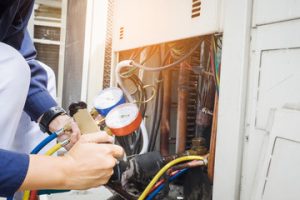
Furnace problems can disrupt daily routines, cause energy bills to skyrocket, and even pose safety risks if not addressed promptly. Having a dependable service provider to handle furnace issues ensures that your system runs smoothly and efficiently throughout the year. Professional technicians use advanced diagnostic tools to pinpoint problems accurately and provide lasting solutions that prevent future malfunctions.
The Importance of Professional Furnace Repair
Furnaces are complex systems with multiple components working in harmony to produce heat. When one part fails, it can affect the entire unit’s performance. Many homeowners attempt DIY repairs to save money, but without proper expertise, this often leads to more damage or safety hazards. Trained technicians understand the intricacies of different furnace models, whether gas, electric, or oil-based, and can make precise adjustments and repairs.
Professional furnace repair services are not only about fixing broken components but also about ensuring the system operates safely and efficiently. A malfunctioning furnace may emit carbon monoxide or experience electrical failures that pose serious hazards. Regular inspection and timely repairs minimize these risks, making professional service an investment in both safety and comfort.
Furthermore, experts ensure that the furnace runs efficiently, preventing wasted energy and lowering utility bills. Proper repairs can also extend the system’s lifespan, reducing the frequency of replacements and saving money over the long term.
Common Signs That Indicate Furnace Problems
Recognizing the early signs of furnace trouble can prevent major breakdowns and costly repairs. Here are some of the most common indicators that it may be time to call for furnace repair services:
- Inconsistent Heating: When certain areas of your home feel warm while others remain cold, it often points to ductwork problems, airflow restrictions, or thermostat malfunctions.
- Strange Noises: Rattling, banging, or squealing sounds can signal loose components, motor issues, or blower problems that need professional attention.
- Frequent Cycling: If the furnace turns on and off repeatedly, it may be struggling with improper airflow, dirty filters, or incorrect thermostat settings.
- Increased Energy Bills: A sudden rise in heating costs often suggests that the system is working harder than it should due to inefficiency or malfunction.
- Weak or No Airflow: This could indicate issues with the blower motor, clogged filters, or duct leaks that restrict heat distribution.
- Yellow Pilot Light: A properly functioning gas furnace should have a blue pilot light. A yellow flame may indicate a ventilation issue or carbon monoxide risk.
Ignoring these warning signs can lead to more serious problems, including complete system failure. Early diagnosis and repair ensure that minor issues don’t turn into major expenses.
The Process of Professional Furnace Repair
When you contact a professional for furnace repair, the process typically begins with a thorough system inspection. Technicians evaluate the overall condition of the unit, check for visible damage, and perform diagnostic tests to identify underlying issues. This comprehensive approach allows them to target the root cause of the problem rather than just the symptoms.
Common steps in the furnace repair process include:
- System Evaluation: The technician inspects the furnace, including filters, heat exchanger, ignition system, and blower motor.
- Diagnostics: Using specialized tools, they test airflow, gas pressure, and electrical components to locate the exact cause of the malfunction.
- Repair or Replacement of Components: Faulty parts such as igniters, belts, or thermostats are repaired or replaced.
- Cleaning and Calibration: Dirt, soot, or debris buildup is cleared, and the system is recalibrated for maximum efficiency.
- Safety Testing: Carbon monoxide levels and gas leaks are tested to ensure safe operation.
This process guarantees that the furnace not only resumes proper function but also operates safely and efficiently after service.
Common Furnace Problems and Their Solutions
Furnaces can experience a variety of issues depending on their type, age, and maintenance history. Some of the most frequent problems addressed by professional technicians include:
- Dirty or Clogged Filters: Airflow restrictions caused by dirty filters force the furnace to work harder, leading to overheating or system failure. Replacing filters regularly prevents this.
- Ignition or Pilot Control Problems: Faulty ignition systems prevent the furnace from starting properly. Professionals can repair or replace igniters and pilot assemblies as needed.
- Malfunctioning Thermostat: Incorrect temperature readings lead to uneven heating. Technicians recalibrate or replace faulty thermostats for consistent comfort.
- Blower Issues: A malfunctioning blower motor can reduce airflow. Lubrication, part replacement, or motor adjustment can resolve the issue.
- Worn Belts and Bearings: Over time, belts may fray and bearings can wear out, causing strange noises and reduced performance. Timely replacement restores quiet and efficient operation.
- Gas Leaks or Carbon Monoxide Risks: Cracks in the heat exchanger can cause dangerous gas leaks. Certified technicians inspect and repair these issues to ensure safety.
Each of these problems requires professional attention to restore the furnace to full function and prevent further damage.
The Benefits of Timely Furnace Repairs
Prompt furnace repairs deliver multiple benefits beyond immediate comfort. Addressing issues as soon as they arise can significantly enhance your heating system’s performance and reliability. Some of the major advantages include:
- Energy Efficiency: Repairs ensure your furnace operates at peak efficiency, consuming less energy and lowering monthly utility costs.
- Extended Lifespan: Routine repairs prevent excessive strain on the system, helping it last longer.
- Enhanced Indoor Comfort: Proper airflow and consistent heating maintain even temperatures throughout the property.
- Improved Air Quality: Cleaning and filter replacement during repairs help reduce dust and allergens in the air.
- Lower Risk of Major Failures: Early repairs minimize the likelihood of complete system breakdowns during extreme weather conditions.
Timely furnace repairs not only enhance comfort but also provide long-term cost savings and safety benefits.
Preventive Maintenance to Avoid Future Repairs
Preventive maintenance is the most effective strategy for avoiding unexpected furnace breakdowns. Scheduling regular maintenance ensures that your system remains efficient and dependable year after year.
A professional furnace maintenance service typically includes:
- Cleaning and Inspection: Removal of dust and debris from burners, filters, and blowers to maintain optimal performance.
- System Testing: Checking ignition, gas pressure, and thermostat operation for accuracy.
- Lubrication: Reducing friction in moving parts such as motors and bearings.
- Tightening Electrical Connections: Ensuring all wiring and terminals are secure for safety and efficiency.
- Carbon Monoxide Testing: Detecting and addressing any potential leaks that could pose health hazards.
Scheduling maintenance once or twice a year—typically before winter—keeps the furnace running efficiently and minimizes costly emergency repairs.
Emergency Furnace Repair Services
Furnace breakdowns often occur unexpectedly and at the worst possible times, such as during freezing temperatures. Emergency furnace repair services are essential for restoring comfort quickly and preventing further damage to the system.
Emergency technicians are available around the clock to handle urgent issues, from sudden system failures to gas leaks or electrical malfunctions. Their quick response time and expert knowledge ensure that heating is restored safely and efficiently. Having access to an emergency service provides peace of mind, especially for families and businesses that rely heavily on consistent indoor heating.
Choosing the Right Furnace Repair Company
Selecting the right furnace repair provider is crucial for ensuring quality workmanship and reliable results. When searching for furnace repair services, consider the following factors:
- Experience and Training: Look for technicians certified to handle different furnace models and heating systems.
- Comprehensive Services: Choose a provider that offers inspection, repair, and maintenance solutions for complete system care.
- Transparent Pricing: Reliable companies provide upfront estimates with no hidden costs.
- Warranties and Guarantees: A service warranty reflects confidence in the quality of workmanship and parts used.
- Customer Reviews and Support: Positive feedback and responsive communication are signs of professionalism and trustworthiness.
Working with an experienced provider ensures your system is repaired properly and maintained for optimal performance in the long run.
The Long-Term Value of Furnace Repair and Maintenance
Maintaining a well-functioning furnace offers long-term benefits that go beyond comfort. Regular furnace repair and maintenance contribute to energy savings, system reliability, and indoor air quality. Properly serviced furnaces use less energy, emit fewer pollutants, and operate safely under all conditions.
Additionally, proactive care extends the furnace’s operational life, delaying costly replacements. Investing in professional repairs and scheduled maintenance creates a cycle of reliability, where the system consistently delivers optimal heating without frequent disruptions or unexpected expenses.
Furnace repair services are a cornerstone of maintaining comfort and safety in any home or business. As the primary source of heat during cold months, a furnace must operate efficiently and reliably. When problems arise, prompt professional attention is essential to prevent energy waste, system damage, and safety risks.
From diagnosing airflow restrictions and replacing worn components to performing preventive maintenance, skilled technicians ensure every part of the heating system functions optimally. Regular repairs and maintenance not only improve energy efficiency but also prolong the life of the furnace, enhance indoor air quality, and reduce the likelihood of emergency breakdowns.
Whether you need emergency furnace repair, routine maintenance, or system upgrades, professional service ensures dependable heating performance and long-term peace of mind. Investing in furnace repair services today means enjoying consistent warmth, lower energy bills, and greater comfort throughout every season.