Home Improvement

Two-Tone Painted Cabinets: A Trend Worth Trying

Two-tone cabinets are more than just a trend—they add depth and character to your kitchen. With endless options for color, wood tones, and finishes, they’re a design-forward choice that can elevate any space.
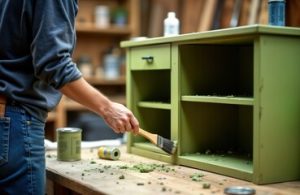
Cabinet Painting

Dark colors on lower cabinetry help ground the space, while white or light neutrals make the uppers feel airy and open. This creates an aesthetically balanced kitchen that feels modern and timeless. Visit Modesto Cabinet Painters for more information.

Traditional cabinetry is often designed to be neutral, relying on wood tone or white finishes and matching hardware. However, homeowners are increasingly experimenting with two-tone painting for a more customized look that will set their kitchen apart. House Digest spoke with Veronica Solomon, principal designer at Casa Vilora Interiors in Wynantskill, New York, to learn more about this trend and get her advice for those considering giving it a go.

When selecting a color for your two-tone cabinets, start by looking at the color wheel. Colors that are opposite each other on the wheel—like blue and green or red and yellow—are considered complementary, meaning they work well together. In addition, it’s a good idea to consider your flooring, countertops, and backsplash when choosing colors for the upper and lower cabinets. Stainless steel sinks are a popular option that can coordinate with both light and dark cabinet colors.

Some homeowners also choose to stain some of their lower cabinets while painting the rest, a design style known as a “tuxedo kitchen.” While this isn’t a color choice that will appeal to all buyers, it can create a sophisticated look that will feel classic and timeless.

Another option is to combine warm wood tones with white or even a soft pink for an eclectic look that’s both contemporary and fun. “It’s a way to add a pop of color without making it too bold,” Solomon says. “It’s also a great backdrop for characterful crockery and glassware.”

Styling Two-Tone Cabinets

Styling your two-tone cabinets can be challenging, but the right combination will create an eye-catching, balanced design. To keep the look cohesive, choose a lighter color for the backsplash and floor to tie the different shades together. Then, select a darker color for the island to create contrast and visual intrigue.

While the two-tone cabinet trend is having a moment, it’s important to remember that color matters when it comes to resale value. Soft neutrals and natural tones will likely be more appealing to buyers than high-contrast black and white or bold, trendy colors. Additionally, if your home has a lot of natural light, you may want to consider leaving the ceiling white to make the space feel larger.

Natural Light

Two-tone cabinets make a bold statement in kitchens that receive plenty of natural light. However, the success of this design element hinges on careful consideration of color relationships and intentional color distribution. Ideally, the lighter shade should appear on upper cabinets to brighten and elevate a room, while darker hues ground base cabinetry. This balance helps the overall look feel polished and calming, even in larger, more open spaces.

While a classic white-upper/dark-lower combination remains popular, homeowners are now branching out with more creative color pairings. Sage green upper cabinets, for example, pair with white or cream lowers to create a fresh, nature-inspired palette that feels both modern and timeless. In a well-lit kitchen, the green tones shift and intensify with the changing natural light throughout the day, making for a living, breathing color story that never feels too busy or overpowering.

Choosing an island cabinet in a standout shade, like emerald or charcoal, creates a striking focal point that draws the eye without overwhelming the rest of the kitchen. This technique can also help zone an open-plan layout by creating a clear visual connection between kitchen zones.

For those who want to try a more subdued approach, consider a light or grey-blue combination for upper cabinets with neutral shades on the lowers. This simple yet sophisticated combination is versatile and timeless, paired with stone, wood, or tile countertops.

A black-and-white combination is another go-to option that never goes out of style. The classic pairing pairs dramatic contrast with clean, crisp lines to create a sleek, high-end aesthetic with enduring market appeal.

As the popularity of two-tone painted cabinets continues to grow, kitchen designers are recommending that homeowners carefully consider the location and direction of their homes’ natural light. North-facing kitchens, for example, typically receive cooler, more consistent light that can cause warm colors to appear muted and cool shades to become more vibrant. To counteract this effect, it may be necessary to select a slightly warmer shade for the island cabinetry and a cooler tone for the base cabinets.

To keep your two-tone kitchen looking fresh and balanced, it’s important to choose cabinet brands that deliver quality craftsmanship and durable finishes. Brands like Shiloh, Waypoint, and Golden Home Cabinetry offer a variety of wood-grain and painted finish options that provide the diversity needed for successful mixed-material designs. Their attention to detail in both construction and finish application ensures long-lasting beauty, while their affordable price points make it possible for homeowners to achieve a high-end look within any budget.

Space

Cabinets are the focal point of kitchens, so homeowners often want them to be showstoppers. Two-tone painted cabinets can make a statement that defines the space and highlights details such as custom trims and woodworking. They’re a smart design choice that also provides flexibility for future updates.

While many homeowners choose to use different colors of paint to create a two-tone look, this trend can also be achieved through the use of varying shades or finishes of the same color. The color choices available are endless, and the result is still a dramatic impact on the kitchen’s visual aesthetic.

The key to successful two-tone cabinetry is balance and proportion. Symmetrical arrangements work well in traditional kitchen layouts and create formal, orderly compositions, but more contemporary approaches can benefit from asymmetrical balance that focuses on strategic color placement rather than mirror-image symmetry. The relationship between cabinet colors and other kitchen elements also influences balance. Dark countertops require darker cabinets than light ones, for example, to achieve proper contrast and visual grounding in the kitchen design.

Decorative elements such as backsplashes, lighting, and furniture should match or complement the colors of two-tone cabinets for a unified appearance. Achieving this design consistency across all decorative elements helps ensure that two-tone cabinets remain a stylish and sophisticated design option over time.

Homeowners are using the versatility of two-tone cabinetry to visually separate kitchen zones, creating distinct areas for food preparation and cooking while improving workflow and kitchen efficiency. A two-tone design can also be used to define kitchen features such as a breakfast bar or coffee station, providing additional functionality that increases the overall usability of the kitchen.

The bold colors and striking contrasts of two-tone cabinets offer a stylish and unique style that stands out from the crowd. The design flexibility offered by this trend also makes it a wise upgrade for existing kitchens, especially when the new paint color doesn’t require an entire overhaul. For example, painting an island in a vibrant shade like navy blue or olive green while keeping the surrounding cabinets white is a great way to add a pop of color without a major investment.

Budget

As a design trend that moves beyond a passing fad, two-tone painted cabinets offer a unique opportunity to personalize your kitchen space. However, this aesthetic requires careful coordination with countertops and backsplashes to create cohesive spaces. This approach offers a cost-effective way to add visual interest and dimension within open-concept living areas.

The popularity of this trend reflects homeowners’ desire to make their homes feel uniquely individualized without the expense of a major kitchen renovation. This design style also complements contemporary design philosophy, which emphasizes the importance of establishing distinct zones within large kitchen spaces. Two-tone cabinetry supports this philosophy by clearly defining different functions and highlighting the unique aesthetic of individual cabinets.

When implemented correctly, this design strategy also offers several practical benefits. For example, choosing lighter shades for upper cabinets can keep spaces feeling bright and airy, while darker shades work well on lower cabinetry to create visual contrast and ground the design. Additionally, using a neutral color like gray on the island helps conceal wear and tear that might otherwise detract from the overall look.

In addition to color, the finish of your cabinets plays a role in the effectiveness of your two-tone design. Glossy surfaces tend to reflect more light, making them easier to clean, while matte finishes are more durable and provide a timeless aesthetic. In addition, matching hardware can help tie your two-tone color scheme together.

Another popular option is to stain certain cabinet elements while painting others. This technique allows you to highlight natural wood grain and create a striking accent on a focal point such as an island or breakfast bar while maintaining white or neutral upper cabinets. Alternatively, you can choose to paint all of your cabinets, including the island, and pair them with a boldly eye-catching countertop or backsplash for a dramatic effect.

Bold green cabinet colors have emerged as one of the most compelling trends in 2025, combining nature-inspired hues with natural wood elements to create kitchens that feel both modern and rustic. Cooler green tones pair beautifully with light wood species, while warmer tones complement richer wood tones. This pairing successfully bridges the gap between rustic warmth and contemporary sophistication, ensuring that your kitchen feels beautifully balanced and cohesive.
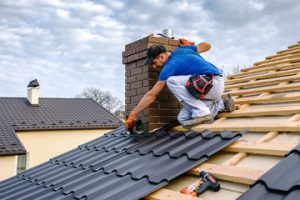
Roofing

Restoring Homes with Expert Roof Repair

Roof damage can appear unexpectedly after heavy weather. Small leaks often turn into bigger problems quickly. Ignoring early signs may lead to costly repairs. Timely attention can save both money and stress.

Roof Repair

Inspecting your roof regularly prevents hidden damage. Missing shingles, loose nails, or worn-out flashing are warning signs. Even minor issues allow water to seep in. Catching problems early maintains the roof’s integrity. Contact Cedar Park Roof Repair for professional help.

Understanding your roof’s material is crucial before repairs. Different materials require distinct techniques. Some surfaces are more prone to cracking. Using improper methods can worsen the damage.

Water stains on ceilings often signal a roof leak. These stains should never be ignored. Moisture weakens structural components over time. Repairing leaks promptly avoids larger structural damage.

Ice and frost can worsen roof conditions during cold seasons. Ice dams trap water on the surface. This can lead to leaks and insulation problems. Preventative care is essential in regions with fluctuating temperatures.

A professional inspection identifies subtle damage. Some issues are invisible from the ground. Technology like infrared cameras can detect hidden moisture. Early detection helps in planning effective repairs.

Roof repair is not only about fixing leaks. It also involves reinforcing structural safety. Strengthening weak points extends the roof’s lifespan. Preventive reinforcement is cheaper than full replacement.

Temporary patches are useful in emergencies. They stop water from entering immediately. However, these should not replace permanent solutions. Scheduling proper repairs ensures long-term protection.

Choosing the right sealants and adhesives is vital. Not all products perform well under intense weather. High-quality materials prevent premature deterioration. Always follow manufacturer guidelines during application.

Ventilation plays a critical role in roof health. Poor airflow traps heat and moisture. This accelerates material degradation. Adequate ventilation prevents mold and structural issues.

Flashing around chimneys, vents, and skylights often fails first. Water can seep through these small gaps. Replacing or sealing flashing prevents leaks. Neglecting this can compromise the entire roof system.

Gutter maintenance complements roof repairs. Blocked gutters cause water to back up. Overflowing water seeps under roofing layers. Cleaning gutters regularly protects the roof and foundation.

Sun exposure gradually weakens roofing materials. UV rays break down shingles over time. Faded or brittle surfaces indicate aging. Addressing these issues delays costly replacements.

Roof repairs are more complex on steep surfaces. Safety measures are necessary to prevent accidents. Harnesses and scaffolding may be required. Professional expertise ensures both safety and quality.

Storms can lift shingles and damage underlayers. Immediate repair prevents water penetration. Insurance coverage may assist in such cases. Prompt action minimizes both repair time and cost.

Leaks around skylights are common and often tricky. Seals can crack or wear over time. Resealing prevents leaks and water damage. Proper installation ensures they remain waterproof for years.

Moss and algae growth degrade roofing materials. These organisms retain moisture and cause decay. Cleaning the roof prevents further damage. Treating affected areas extends the roof’s life.

Roofs with multiple layers often need careful assessment. Adding new layers can add weight stress. Sometimes complete replacement is more effective. Evaluating the structure avoids future collapse.

DIY repairs can be tempting but carry risks. Mistakes may worsen leaks or void warranties. Professionals bring experience and the right tools. Their work ensures durability and safety.

Emergency repairs often use tarp coverings. Tarps block rain until proper fixes are done. They are a temporary shield, not a final solution. Quick action reduces interior water damage.

Proper insulation beneath the roof improves repair effectiveness. Insulation prevents condensation and heat loss. Damp or damaged insulation should be replaced. This enhances both comfort and structural integrity.

Regular roof maintenance extends lifespan and prevents surprises. Seasonal inspections catch minor issues early. Small fixes prevent major expenditures later. A proactive approach saves time and money.

Roof repair may uncover hidden structural damage. Rotten wood or weakened supports often require attention. Addressing these promptly prevents collapse. Safety should always be the priority.

Fasteners and nails can loosen over time. Loose attachments reduce shingles’ ability to stay in place. Tightening or replacing them improves stability. Small hardware checks prevent large-scale damage.

Storm debris like branches and leaves can puncture roofs. Removing debris quickly avoids scratches and holes. Debris often hides further damage beneath. Routine cleaning ensures longevity.

Modern roofing materials offer improved durability. Synthetic options resist cracking, fading, and water damage. Investing in advanced materials reduces maintenance. Longevity saves money in the long run.

Color and coating affect the roof’s performance. Reflective coatings reduce heat absorption. This helps protect roofing materials from early wear. It also improves indoor comfort and energy efficiency.

Repairing roof edges prevents wind damage. Edges are exposed to harsh weather first. Reinforcing edges keeps the entire roof intact. Small measures prevent widespread deterioration.

Flashing joints need careful sealing after repairs. Improperly sealed joints lead to recurring leaks. Using high-quality sealants ensures longevity. Attention to detail prevents future problems.

Chimney flashing often deteriorates first. Water can seep behind masonry. Replacing old flashing protects both chimney and roof. Proper alignment ensures efficient drainage.

Regular inspections after storms prevent unnoticed damage. Strong winds lift shingles and expose underlayers. Repairs soon after storms reduce long-term issues. Insurance claims are easier with documented evidence.

Roofs require both internal and external checks. Interior leaks indicate underlying issues outside. External inspections verify shingles, flashing, and drainage. Combining both methods ensures comprehensive care.

Repairing valleys prevents water accumulation. Valleys are natural channels for rainwater. Any obstruction leads to pooling and leaks. Maintaining valleys ensures proper drainage flow.

Severe weather may expose roofing weaknesses. Extreme heat, wind, or hail accelerates deterioration. Quick repairs prevent secondary damage. Weather-resistant upgrades strengthen the roof.

Every repair should consider long-term prevention. Temporary fixes may be necessary but are not enough. Reinforcing weak areas ensures durability. A planned approach minimizes repeated work.

Choosing a qualified contractor is essential. Experience, tools, and safety protocols matter. Proper assessment avoids unnecessary repairs. Trust ensures both quality and efficiency.

Roof repairs protect more than the building. They safeguard furniture, insulation, and interior finishes. Water damage can spread quickly if ignored. Repairing promptly maintains overall property health.

Some repairs require replacing entire sections. Partial fixes might not be sufficient for advanced damage. Complete replacement ensures uniformity and strength. It prevents future patchwork issues.

Weatherproofing materials improve repair outcomes. Advanced sealants resist water, wind, and UV exposure. Protective coatings prolong life and reduce maintenance. Choosing durable options ensures lasting protection.

Regular maintenance reduces emergency repairs. Preventive inspections catch problems before they escalate. Scheduling checks after extreme seasons is ideal. Consistent care keeps the roof functional and secure.

Repairing older roofs may reveal outdated construction. Some materials no longer meet current standards. Upgrading ensures safety and performance. Modern techniques improve resilience and reduce future costs.

Ridge and hip caps require attention during repairs. They seal roof peaks and prevent water infiltration. Properly installed caps maintain structure integrity. Neglecting these weak points leads to leaks.

Minor repairs often prevent major structural damage. Replacing damaged shingles, sealing leaks, and clearing gutters are essential. These small steps save large expenses later. Roof longevity depends on consistent care.

Roofs are investments in home protection. Timely repairs maintain value and safety. Ignoring damage risks higher future costs. Proper upkeep ensures comfort and security.

Metal Craft

Metal Railing Vs Glass Or Wood Systems for Staircases

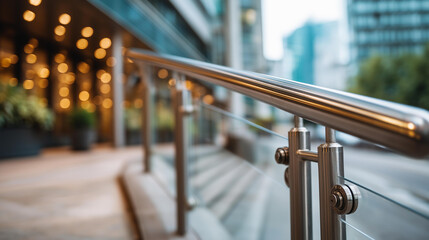
Architecture Stairway Metal Railing

Handrails are essential safety features for staircases, walkways, and balconies. They can also enhance the design of a space. Wood reads warm and classic, fitting well in traditional or rustic designs. However, it requires regular upkeep.

Architecture Stairway Metal Railing includes wrought iron and aluminum, fit modern designs with strength and durability.

Durability

When it comes to choosing a railing material, there are more factors to consider than just aesthetics. The type of railing you select can impact your home’s safety, maintenance requirements, and cost. The right railing blends seamlessly with your home’s architecture, meets building codes, and adds value that lasts for years to come.

Wood railings offer a warm, natural look that complements rustic or traditional design themes, but they also require periodic care to protect against splinters and moisture damage. Metal, on the other hand, is a sleek option that delivers long-term durability and low upkeep. Stainless steel is a popular choice for indoor railings because it resists corrosion and doesn’t warp or degrade over time. Its versatility makes it a good choice for projects that incorporate diverse design styles, including modern, contemporary, or transitional.

Glass railings, on the other hand, create a light-filled look that maximizes sightlines. They are a great option for spaces with stunning scenery, as they allow natural light to flow throughout the room and showcase architectural details without obscuring them. However, glass railings can be fragile and must be installed by a professional. They are also more susceptible to fingerprints and smudges, so regular cleaning is necessary.

Stainless steel and aluminum railings are a durable, stylish option that can be used both indoors and outdoors. They are also easy to maintain, with a simple wipe-down and occasional coating of rust-preventive wax. Additionally, metal is not impacted by humidity changes like wood, so it holds up better in harsh environments. These benefits make metal a strong contender in high-traffic areas, such as busy commercial spaces. Its versatility allows you to customize it to fit your space, whether with minimalist black powder-coating or ornate wrought iron with curves and flourishes. Regardless of your design preference, there is a metal handrail that suits your project and fits your budget. Whether you want a simple, clean design or something more elegant, you can find the perfect match for your project in our gallery of interior stair railing ideas. Choose from modern twist shapes, sawn balusters, or custom designs that can be easily installed by a professional.

Maintenance

When choosing a railing system, it’s important to consider both its longevity and upkeep needs. Some materials require more maintenance and care than others, with a particular focus on weather protection and surface upkeep. A metal handrail system is a modern choice that offers superior durability and requires minimal upkeep, saving you time and money in the long run.

Metal handrails are sleek and versatile, with a wide variety of styles and designs to complement your aesthetic. From minimalist black powder-coated aluminum to ornate wrought iron with curves and flourishes, metal can be customized to suit your design vision. They are also extremely durable, resisting rust and corrosion in extreme weather. And despite their sleek profile, they are often heavier than wood or glass, making them more stable and secure.

Wood has a warm and natural look that feels at home in traditional spaces, but requires regular refinishing to maintain its beauty. It is also susceptible to moisture damage and termite infestation, and can fade over time. Glass delivers a bright, open feel and floods interiors with light, but it shows dirt quickly and requires constant cleaning to remove fingerprints, smudges, and dust.

The ideal material for your stair railing depends on your style and lifestyle, as well as building code requirements and your budget. A railing professional can flag code and maintenance concerns and help you weigh your options. If you can’t decide, mixing materials is a great solution — wood handrails on a metal frame or glass panels on a simple steel base give you the best of both worlds.

Safety

The railings you choose for your staircase impact more than just the way your home looks. The material you select also affects your safety, the level of maintenance required, and how long it will last. The right choice blends seamlessly with your home’s architecture, meets building codes, and adds value that will stand the test of time.

Stair railings are primarily designed to prevent people from falling off the edge of stairs and landings. They act as a barrier, especially on open staircases, and must be able to support the weight of a person holding on to it for balance. They can include a handrail but aren’t always required.

Wood stair railings offer warmth and classic character, and work well in traditional or craftsman-style homes. They can be stained or painted for additional customization options, but they require periodic refinishing.

Metal stair railings are sleek and durable, and their clean lines suit modern or minimalist spaces. They can be welded for strength and to reduce installation costs, or they can be made with prefabricated sections that help speed up the project timeline. They’re not susceptible to rust, and they can easily be cleaned with soapy water. However, they are more prone to damage caused by high winds and temperature swings, and may need occasional painting or welding repairs.

Glass stair railings offer that open, light-filled look, and protect your view while illuminating the space. They’re more aesthetically striking than wood or metal, but they also tend to cost more upfront due to the higher material and installation costs associated with tempered or laminated glass panels. They also require more frequent cleaning because fingerprints and smudges show up quickly.

A professional stair and railing installer can help you find the best option for your home. Experienced teams know local codes and regulations inside out, and can help you secure permits and pass inspections. They can also advise on design options that integrate safety and aesthetics, like combining wood for newel posts and balusters with sleek, metal handrails. They can even create an ornate, wrought iron style that blends durability and elegance.

Aesthetics

Stair rails and handrails offer both safety and aesthetic value, providing structural support and a visual guide for people as they move through a home, office, or public space. Properly installed, they enhance safety by creating a physical barrier and preventing falls and accidents. In addition, they can elevate the design of a staircase and entire building. When choosing a stair railing material, consider your design preference, maintenance needs, and budget constraints.

Metal railings come in a variety of styles and materials, from affordable aluminum to pricier custom steel. They are durable and low-maintenance, with an attractive finish that complements a range of architecture and design styles. Their robustness makes them an excellent choice for high-traffic areas. However, they can be cold in traditional interiors and may require more maintenance than wood or glass railings.

Glass railings are often preferred in contemporary spaces, as they offer a sleek, modern aesthetic and allow light to pass through unobstructed. They also make spaces appear bigger and brighter, making them ideal for balconies, decks, and staircases. Unlike traditional railings, glass requires more frequent cleaning. In addition to smudges, fingerprints, and pet nose prints, they can show water stains more quickly.

Wood and glass are both durable and easy to maintain, but they have different aesthetics. Wood looks natural and fits with a wide range of architecture styles, while glass complements modern designs and elevates the look of upscale homes. Both require regular sanding and refinishing to preserve their appearance, though, and both can be susceptible to rust if exposed to water or moisture.

As you weigh your options, be sure to consult a professional. A trained railing contractor can help you select the right style and material, flag code and maintenance requirements, and provide an accurate estimate. A quick consult can save you from costly do-overs and ensure your new stair railing is code compliant and will hold up to the wear and tear of daily use. Contact Carlo Carpentry today for measured recommendations, clear pricing, and a clean, code-compliant installation that fits your space.